
Persona coverage
Different concepts for skeptical switchers, proof seekers, routine buyers, objection-led buyers, and other relevant psychologies found in the evidence.
Static ad creative
Apex turns customer language, product truth, and under-served buyer psychology into paid-social concepts that change the message, not only the layout.
A paid-social account can contain dozens of visual variations while still speaking to one buyer with one broad argument. That creates output without meaningful persona coverage.
Apex starts before design. We compare the language in reviews, comments, product pages, and competitor advertising with the messages your current creative already repeats. The result is a set of testable buyer hypotheses, each with its own hook, proof, product role, and call to action.
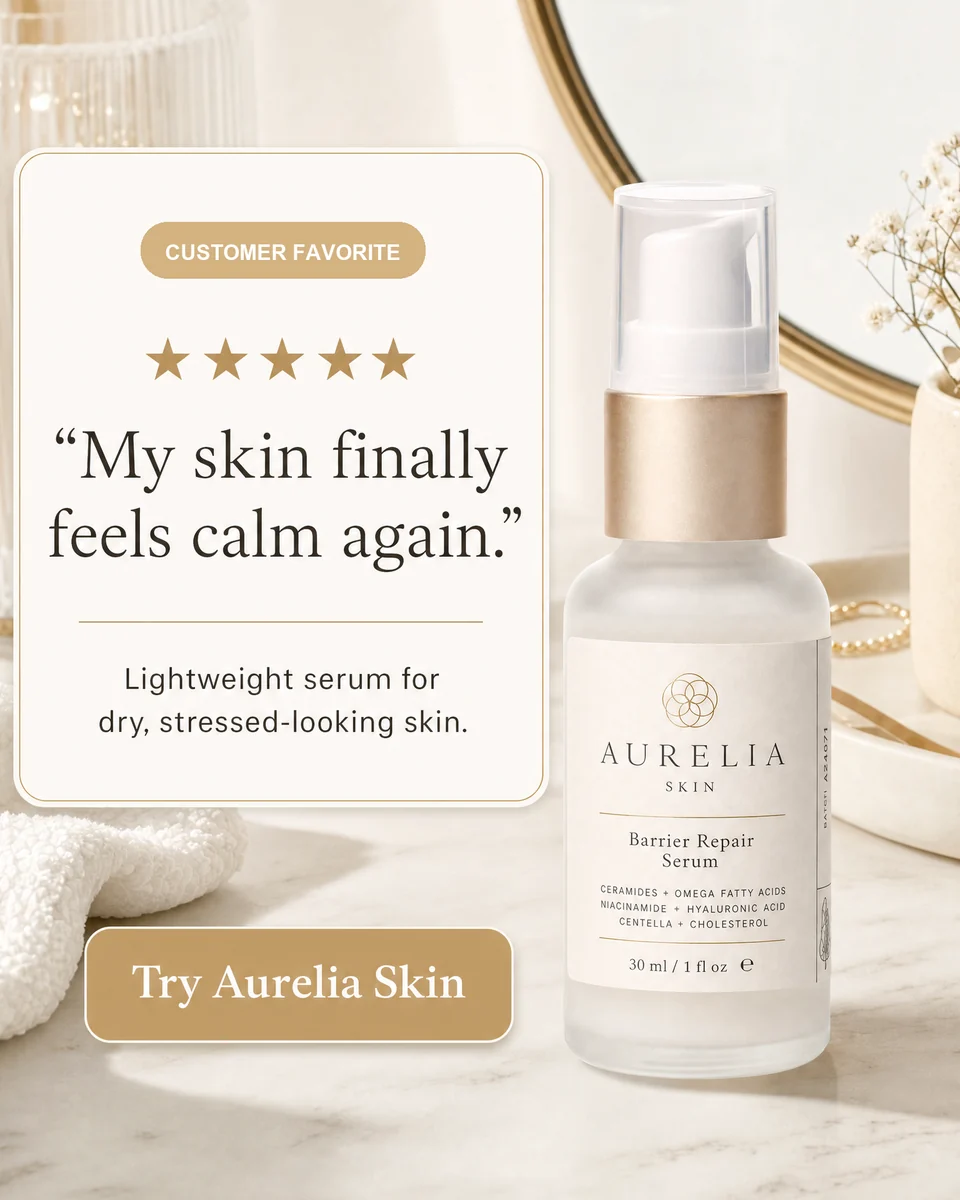


Independent Apex Studio concept studies and production examples. No client affiliation or advertising result is implied.
The scope stays concrete: research, hypotheses, copy or scripting, visual direction, production, revisions, and organized delivery as agreed.
Different concepts for skeptical switchers, proof seekers, routine buyers, objection-led buyers, and other relevant psychologies found in the evidence.
Headlines, support copy, proof, offer framing, and calls to action organized around one argument at a time.
Approved concepts adapted to the agreed feed and story placements, with clear files and strategic context for delivery.
Every stage protects the connection between the buyer insight and the final creative.
Review approved claims, customer language, existing creative, competitor messages, and category conventions.
Identify buyer beliefs and objections that appear in the evidence but remain under-served in the current account.
Turn each hypothesis into copy, product role, visual hierarchy, and a reason it deserves a test.
Revise approved directions and organize final placements with the thinking behind each concept.
One concept is one distinct buyer hypothesis with its own argument and execution. A resize, crop, or placement adaptation of the same argument is not counted as a new concept.
Yes. Static engagements include the headline, support copy, proof structure, offer framing, and call to action required by the approved direction.
Apex commonly prepares Meta Feed and Story formats. Exact sizes and additional placements are confirmed in the project scope.
No. Performance depends on the product, offer, media buying, landing page, pricing, attribution, and other factors. Apex provides distinct, research-backed creative hypotheses to test.
Share your product and current creative. Apex will send three strategic ad directions showing which buyer arguments may be missing.